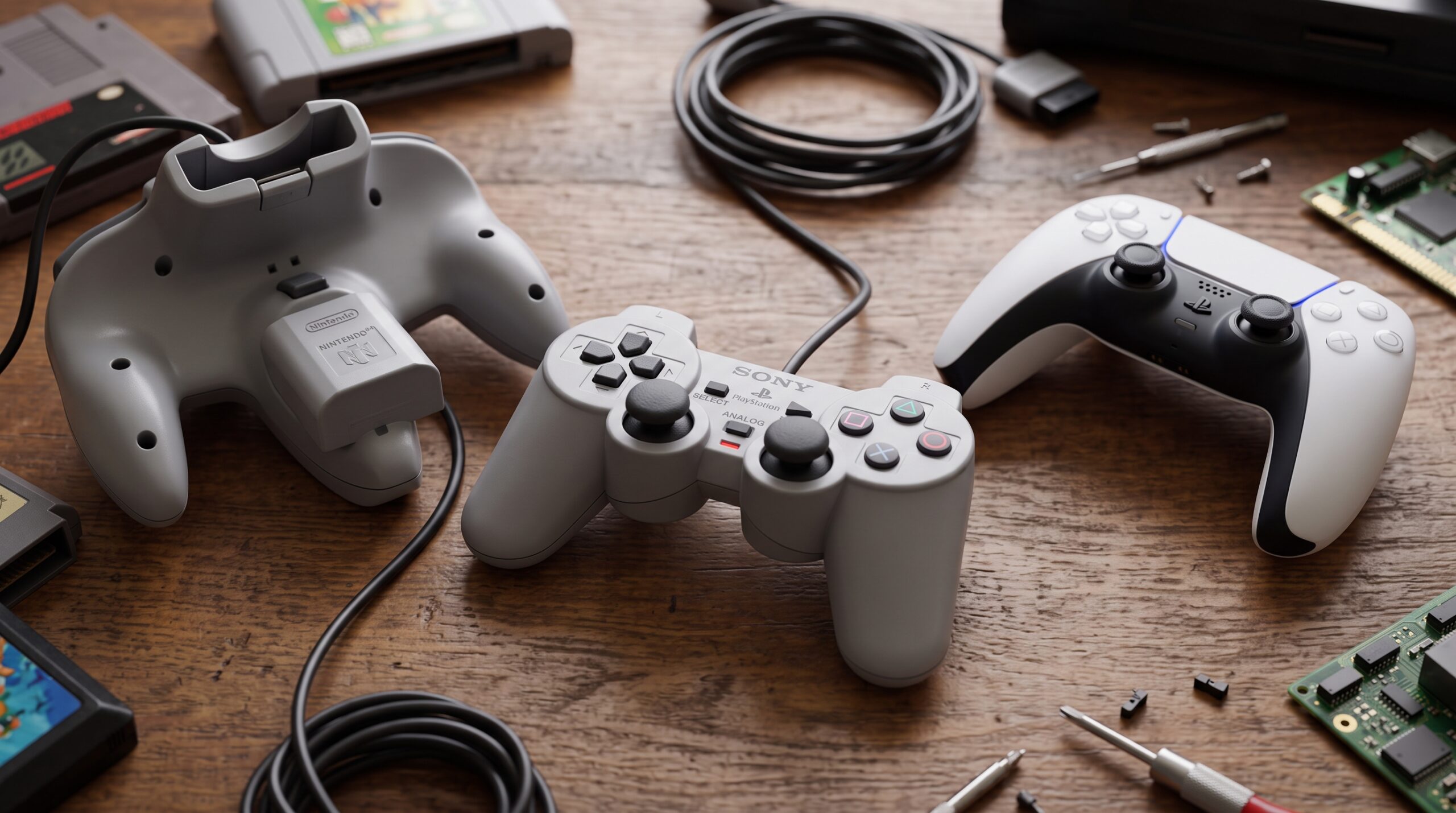
In modern game consoles and smartphones, haptic feedback—where the device vibrates in response to your actions—is equipped as a standard feature.
This technology, which conveys on-screen events to the player as “vibrations in the palm,” has dramatically improved gaming immersion. However, controllers were not designed to rumble from the very beginning. Behind this feature lies a dramatic history, from the introduction of a revolutionary peripheral to a messy patent lawsuit that shook the industry.
The Beginning of a Revolution: The Nintendo 64 “Rumble Pak”
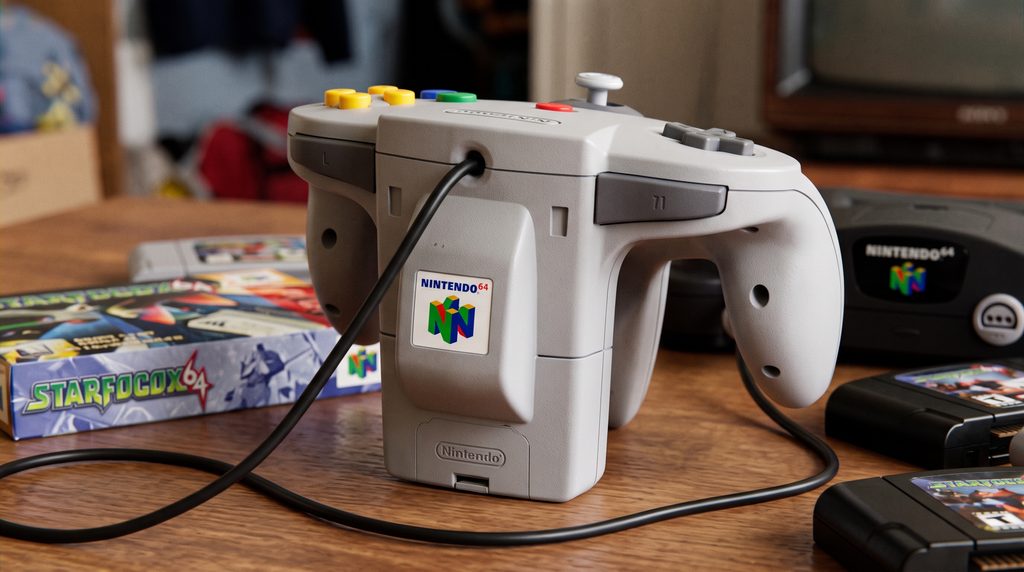
It was Nintendo that first commercialized the idea of vibrating a controller for home consoles, shocking the world.
In April 1997, alongside the release of the N64 game Star Fox 64, a peripheral called the “Rumble Pak” was introduced. Inserted into the expansion slot on the back of the controller, this bulky device contained a motor and two AAA batteries. It transmitted physical, rumbling vibrations to the player’s hands in sync with in-game explosions or taking damage.
This invention, which incorporated “touch” into a gaming experience previously limited to sight and sound, left a massive impact on gamers at the time and quickly became a smash hit.
The Decisive Blow for Standardization: The Birth of Sony’s “DualShock”
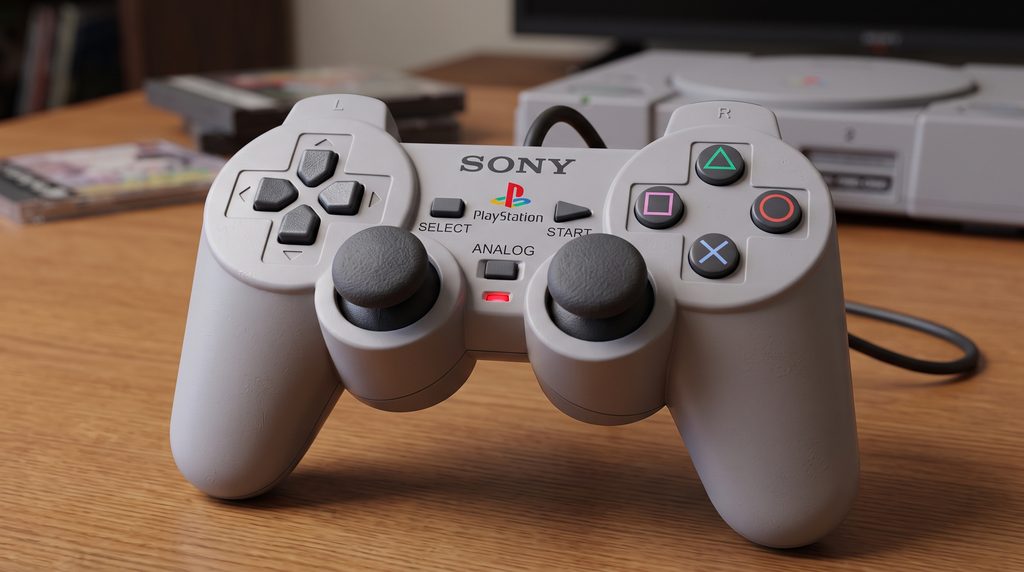
Just half a year after Nintendo introduced rumble as a peripheral, Sony Computer Entertainment (now SIE) released the “DUALSHOCK” for the original PlayStation in November 1997.
The greatest achievement of the DualShock was that it “built vibration motors into the controller as a standard feature.” With two motors of different weights and rotation speeds built into the left and right grips, and a refined design that required no batteries (drawing power directly from the console), it provided a rumble experience without adding unnecessary weight or hassle for the player.
Games began supporting vibration from the start, and the massive proliferation of the DualShock established the absolute industry standard that “controllers are supposed to rumble.”
The Disappearance of Rumble and the “Immersion Shock”

Although the rumble feature had become a global standard, a major incident occurred during the PlayStation 3 era.
Immersion Corporation, an American company holding patents for haptic feedback technology, sued Sony and Microsoft for patent infringement. While Microsoft quickly paid a settlement and signed a licensing agreement, Sony chose to fight back fiercely in court.
However, Sony lost the lawsuit and was ordered to pay massive damages. Due to the fallout from this messy patent dispute, the rumble feature was completely removed from the “SIXAXIS,” the initial controller for the PS3 released in 2006. At the time, Sony explained that “the newly integrated 6-axis motion sensor system interferes with the rumble feature,” but gamers who had grown accustomed to rumble for years voiced widespread disappointment.
Settlement and Evolution: Toward Next-Generation Haptic Experiences

Ultimately, Sony settled with Immersion in 2007 and signed a patent licensing agreement. Later that same year, they announced the “DUALSHOCK 3,” which successfully brought back the rumble feature, bringing the situation to a close.
Having survived this patent battle, vibration technology has continued to evolve even further. The “HD Rumble” of the Nintendo Switch and the haptic feedback built into the PlayStation 5’s “DualSense” rely not just on rotating weights, but apply audio waveform data to create incredibly precise tactile sensations.
Modern devices that can recreate the feeling of “ice clinking in a glass” or “raindrops falling” in the palm of your hand are the culmination of a quest that began with that heavy, clunky “Rumble Pak” in 1997. Though it might seem subtle compared to the evolution of visuals and audio, this feature, which elevates the player’s sense of realism, will undoubtedly continue to evolve quietly, yet steadily, right in our hands.




コメントを残す